Thinking about listing your Palmdale home this year? With buyers taking more time and comparing options, the right prep and price can make the difference between a quick, confident sale and weeks of uncertainty. You want a plan that fits our High Desert climate, today’s buyer expectations, and your timeline. In this guide, you’ll learn what to fix first, how to stage smart, which disclosures to prepare, and how to set a list price that attracts qualified offers without leaving money on the table. Let’s dive in.
Palmdale market at a glance
Recent public reports point to a price band in the mid 400s to low 500s and longer selling timelines compared to many coastal LA areas. Zillow’s typical Palmdale home value was about 495,961 dollars through January 31, 2026. Redfin reported a January 2026 median sale price near 517,500 dollars and a median time to sell around 56 days. Realtor.com showed a December 2025 median sale price near 525,000 dollars with average days on market around 76 days. Different sites use different data windows, so think of these as a range rather than a single number.
Palmdale’s location in the Antelope Valley, its aerospace and manufacturing presence, and a commuter base to the LA metro shape demand. The High Desert climate means buyers care about HVAC performance, roofing condition, exterior durability, and low‑maintenance landscaping. For area context, review the city’s profile and climate background for Palmdale in the Antelope Valley and Plant 42 history on Wikipedia’s Palmdale overview.
What this means for you
- Pricing and presentation matter. Buyers compare homes closely and watch price reductions and days on market.
- Expect timelines measured in weeks, not days. Strong launch planning can shorten this.
- Neighborhoods vary. Rancho Vista, Anaverde, and other pockets can have different price per square foot and market speed. Use a hyper‑local analysis before settling on a list price.
Prep that moves the needle in Palmdale
Focus on repairs and updates that remove buyer objections and shine in photos. Start with safety and reliability, then tackle high‑impact cosmetics.
1) Safety and compliance first
- Install and test smoke and carbon monoxide detectors where required. Strap the water heater and address obvious electrical hazards. These are common escrow items in California and are wise to check before listing.
- Begin statutory disclosures early. California requires a Transfer Disclosure Statement (TDS) and, where applicable, a Natural Hazard Disclosure (NHD). Sellers must deliver these “as soon as practicable,” so complete them early to avoid delays. Review California’s disclosure framework in the Civil Code summary for the TDS.
2) Service major systems
- Palmdale summers test HVAC systems. Have your furnace and AC serviced, replace filters, and verify good airflow. If systems are near end of life, discuss whether a preemptive repair, documented service, or a credit will best support your pricing strategy.
- Confirm the water heater and kitchen appliances are working properly. Buyers notice temperature inconsistencies and appliance issues quickly.
3) Roof, exterior, and curb appeal
- Address visible roof defects like missing shingles or active leaks. In our climate, sun exposure can age roof materials faster, so visible integrity matters.
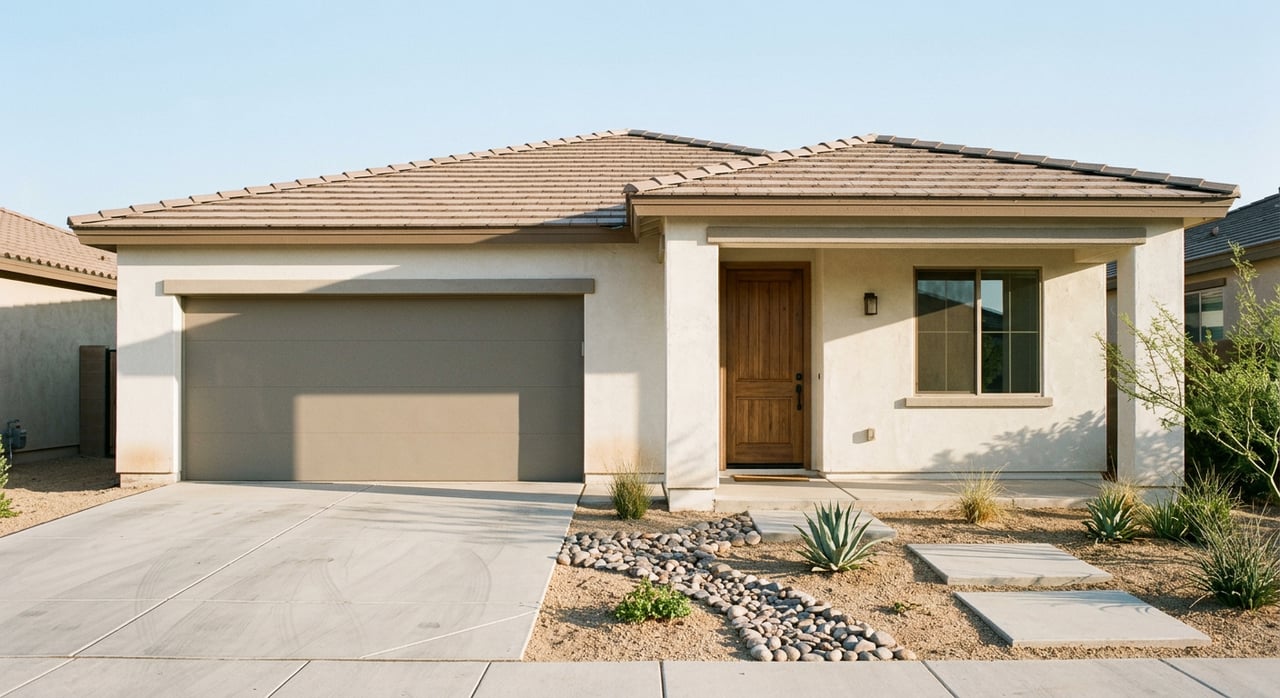
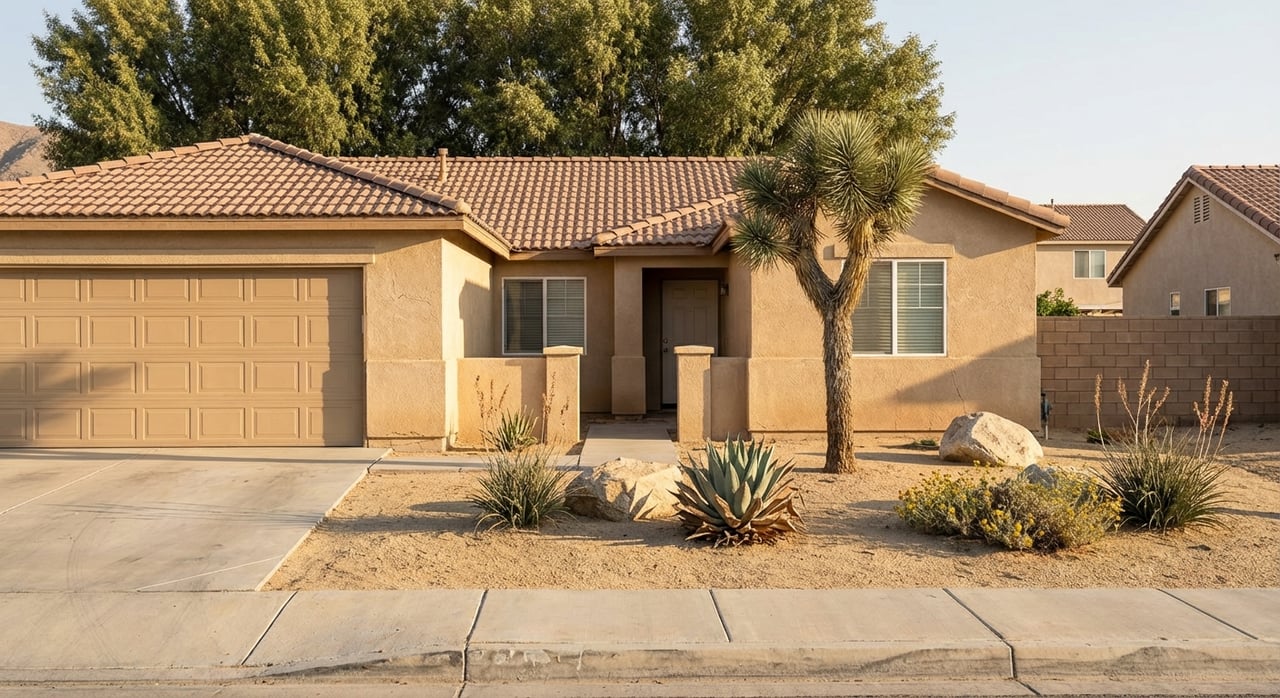
- Touch up exterior stucco and trim, and refresh sun‑faded paint as needed. First impressions in the driveway and online listing photos set the tone for showings.
- Use planning ranges to budget. Shingle roof replacement costs vary widely by size and material, with averages in the thousands to tens of thousands nationwide. For context, review Angi’s roof replacement cost guidance, then get local bids for accuracy.
4) Pest, termite, and moisture
- Termite reports or clearance are commonly requested in Southern California. If you see signs of infestation or past damage, order a report and address issues or disclose them clearly.
- Fix active leaks and remediate any visible mold before listing. Buyers respond well to documented repairs with receipts.
5) High‑impact cosmetics
- Fresh interior paint, a deep clean, and a tidy front yard deliver outsized returns for modest cost. National guides estimate many interior paint jobs in the low thousands, depending on size. Use HomeAdvisor’s interior painting cost guide as a planning tool, then confirm with local quotes.
- Update worn lighting, replace yellowed outlet covers, and re‑caulk tubs and sinks. Small touches boost perceived care.
6) Energy‑smart benefits
- Solar panels, energy‑efficient windows, and improved insulation can be value signals for buyers in hotter climates. Research has documented price premiums for solar in many markets. For background on studies of solar’s effect on home value, see research from Lawrence Berkeley National Laboratory’s energy markets group, such as the work cataloged on LBNL’s site.
Staging, photos, and first impressions
Staging helps buyers picture daily life in your home. The National Association of REALTORS reports that a large share of agents find staging helps buyers visualize a property and can reduce days on market. Explore the findings in NAR’s Profile of Home Staging.
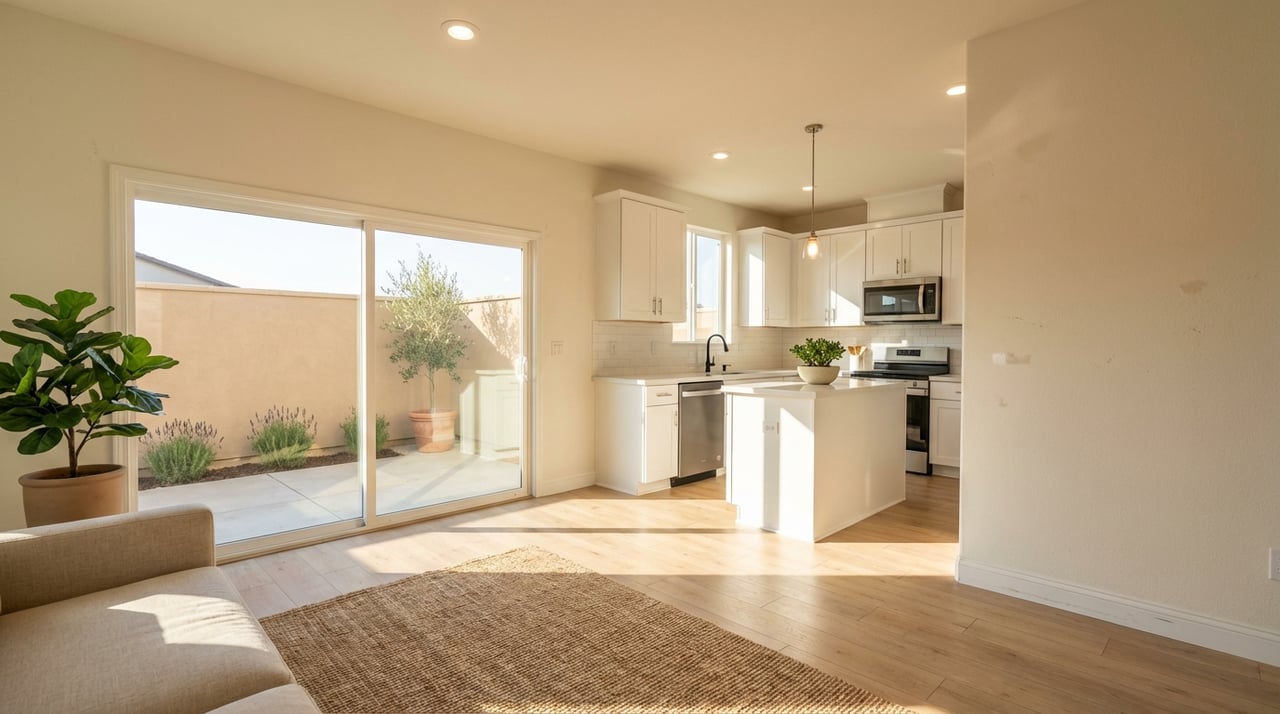
- Consider light, neutral staging or virtual staging for vacant spaces. Virtual staging can be a cost‑effective way to show furniture scale and flow.
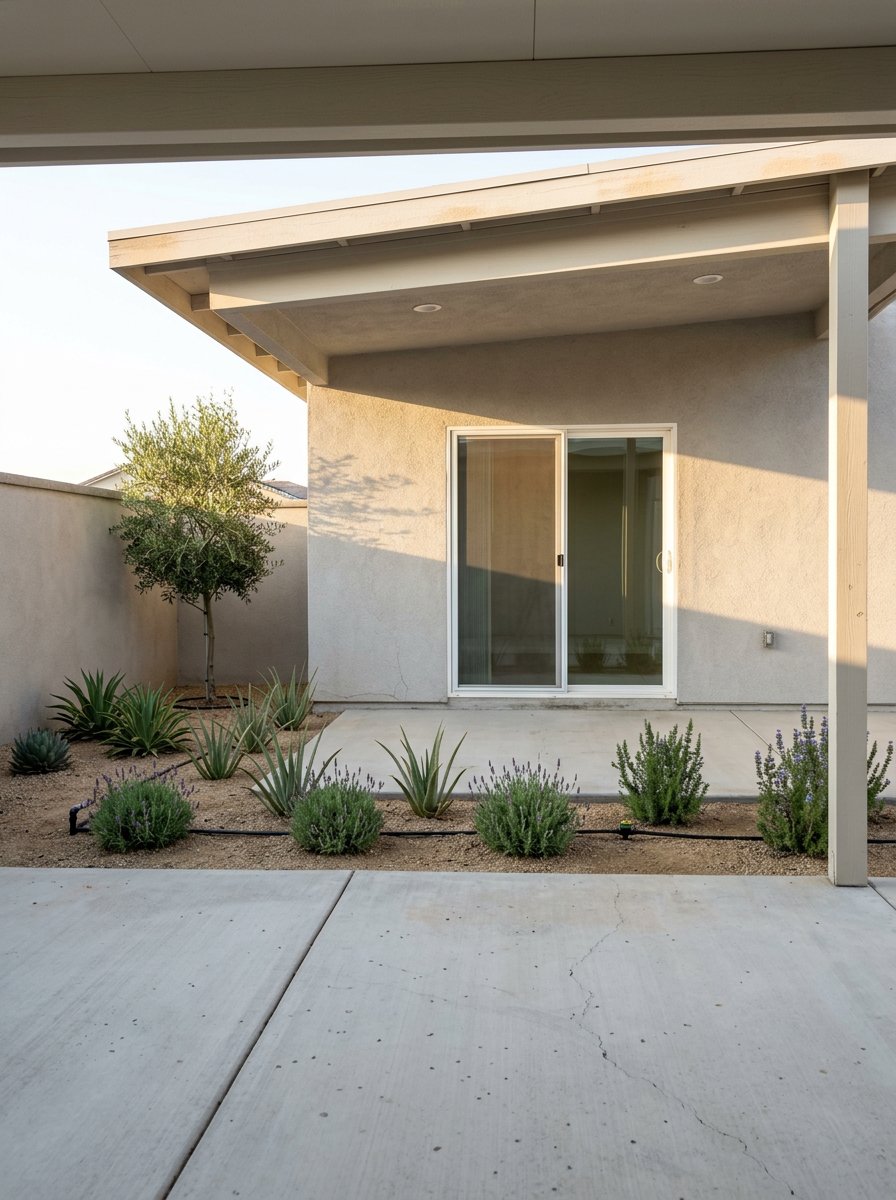
- Professional photos are essential. Feature your brightest rooms first and highlight shaded outdoor seating, efficient HVAC, and drought‑minded landscaping that suits Palmdale’s climate.
Price it right with an MLS‑backed CMA
The most accurate list price comes from a Comparative Market Analysis built from current MLS data. Your agent will:
- Pull recent solds from the last 3 to 6 months plus active, pending, and expired listings in your micro‑neighborhood.
- Select true comps with similar bed, bath, square footage, lot size, and features, then adjust for condition and upgrades like pools, renovated kitchens, or RV access.
- Recommend a price band and go‑to‑market strategy that fits your timing goals. If you aim for a quick sale, you may price near the lower end of the comp band to drive showings. If inventory is thin, you may test the higher end while tracking engagement.
Use search‑band pricing thoughtfully. For example, 499,000 dollars can catch buyers searching up to 500,000 dollars, while 500,000 dollars reaches the next tier of searches. Your agent will advise which band draws the most eyes in your area.
Market feedback should guide quick adjustments. Watch showings, open‑house traffic, and online saves in the first two weeks. If activity lags, consider refreshing photos, improving curb appeal, adjusting staging, or making a targeted price update.
Note: Ask an agent for a CMA from the MLS for the most accurate price estimate. Public aggregator numbers are helpful context but can lag or use different formulas.
Disclosures, timing, and closing costs
Getting the paperwork and numbers right early reduces stress later.
Required disclosures in California
Most sellers of 1 to 4 unit residential properties provide a Transfer Disclosure Statement and, where applicable, a Natural Hazard Disclosure. Disclose known defects, past water intrusion, pest or termite history if known, unpermitted work, neighborhood nuisances, special assessments or Mello‑Roos, lead paint for pre‑1978 homes, and natural hazard zones. Deliver required forms as soon as practicable to keep your deal on track. Review the TDS framework in the California Civil Code summary.
Transfer taxes and typical seller costs
Palmdale is in Los Angeles County. The county documentary transfer tax is 0.55 dollars per 500 dollars of consideration, or about 1.10 dollars per 1,000 dollars. Palmdale is not listed among cities with a separate city transfer tax, but always confirm for your address. See the county’s rate information on the LA County Registrar‑Recorder’s site.
Other common seller costs include escrow and title fees, prorated property taxes and HOA dues, any mortgage or lien payoffs, and possible seller concessions or repair credits. Real estate commissions are negotiable and should be discussed with your agent. Ask escrow for a preliminary net sheet so you can plan your minimum acceptable net before launch.
Suggested 30‑ to 60‑day launch plan
- Weeks 1 to 2: Gather disclosures, order photos, discuss staging, and schedule targeted repairs. Consider a pre‑listing inspection or at least HVAC, roof, and termite checks if you suspect issues.
- Week 3: Finalize pricing with a fresh CMA, complete touch‑ups, and prepare listing copy that highlights climate‑smart upgrades and community proximity to major employers and commute routes.
- Go‑live week: Activate the listing on the MLS, confirm portal syndication, and start showings. Track activity daily.
- Weeks 1 to 2 on market: Review showing feedback and online saves. If traffic is soft, refine marketing, update photos, or adjust price within your CMA band.
Palmdale seller checklist
- Complete required disclosures early, including the TDS and, where applicable, the NHD. Review the TDS overview in the Civil Code.
- Service HVAC, verify smoke and CO detectors, strap the water heater, and address electrical hazards.
- Fix obvious roof issues and refresh exterior paint or trim. Use Angi’s roof cost guide as a planning reference, then get local bids.
- Deep clean, declutter, and apply fresh interior paint where needed. Check HomeAdvisor’s paint cost guide for planning.
- Stage key rooms or use virtual staging, and hire a professional photographer. NAR’s research on staging can help you decide scope: NAR’s staging profile.
- Request a current MLS CMA and pricing strategy discussion specific to your micro‑neighborhood and timing goals.
- Ask escrow for a preliminary net sheet and confirm LA County transfer tax at the county source: Documentary transfer tax info.
- Prepare a plan for quick post‑launch adjustments based on early showings and feedback.
Ready to talk timing, prep, and pricing for your address? Reach out to Paula Stafford for local guidance and a personalized plan. Curious about your home's worth? Request a free home valuation.
FAQs
How long does it take to sell a home in Palmdale?
- Recent public snapshots showed median timelines ranging from about 56 to 76 days, depending on the month and source. Strong pricing and presentation can shorten this.
Which pre‑listing repairs matter most in Palmdale’s climate?
- Prioritize HVAC servicing, roof integrity, exterior paint or stucco touch‑ups, and water‑efficient landscaping. Then address interior paint, deep cleaning, and minor fixes that improve photos.
How do you set the right list price in Palmdale?
- Use an MLS‑based CMA with recent local solds plus active and pending listings, then adjust for condition, upgrades, and lot features. Consider buyer search bands and be ready to respond to early market feedback.
What disclosures do California home sellers need to provide?
- Most sellers provide a Transfer Disclosure Statement and, where applicable, a Natural Hazard Disclosure, plus any specialized items like lead‑based paint for pre‑1978 homes. Deliver disclosures early to avoid delays.
What closing costs should a Palmdale seller expect?
- Budget for commissions, escrow and title fees, LA County documentary transfer tax, prorations of property taxes and HOA dues, loan payoffs, and any negotiated credits. Ask escrow for a net sheet before listing.
Is staging worth it in a slower market?
- Yes in most cases. Staging or virtual staging helps buyers visualize the space, improves photos, and can reduce days on market. Keep the scope aligned with your price point and goals.