If you have been craving more space, more privacy, and a slower pace without leaving Los Angeles County behind, Acton may already be on your radar. This unincorporated community offers a different kind of lifestyle, one shaped by larger lots, outdoor living, and a strong rural identity. If you are wondering what semi-rural living in Acton really looks like day to day, this guide will help you understand the setting, housing patterns, commute options, and practical details that matter most. Let’s dive in.
What semi-rural living means in Acton
Acton sits in the southwestern Antelope Valley, south of Palmdale along State Route 14 and next to the National Forest. According to the Los Angeles County Antelope Valley Area Plan, the community is known for wanting to preserve a distinct rural identity, and the 2020 Census counted 7,431 residents.
That rural identity is not just a local preference. County planning created the Acton Community Standards District to help protect the area’s rural, equestrian, and agricultural character. In practical terms, that means Acton is designed to feel different from a typical suburban neighborhood.
Why Acton feels different
One of the biggest differences is how land is used. The county’s land-use framework supports large minimum lot sizes in rural areas, generally not less than one acre except in unusual circumstances, as outlined in the Antelope Valley Area Plan.
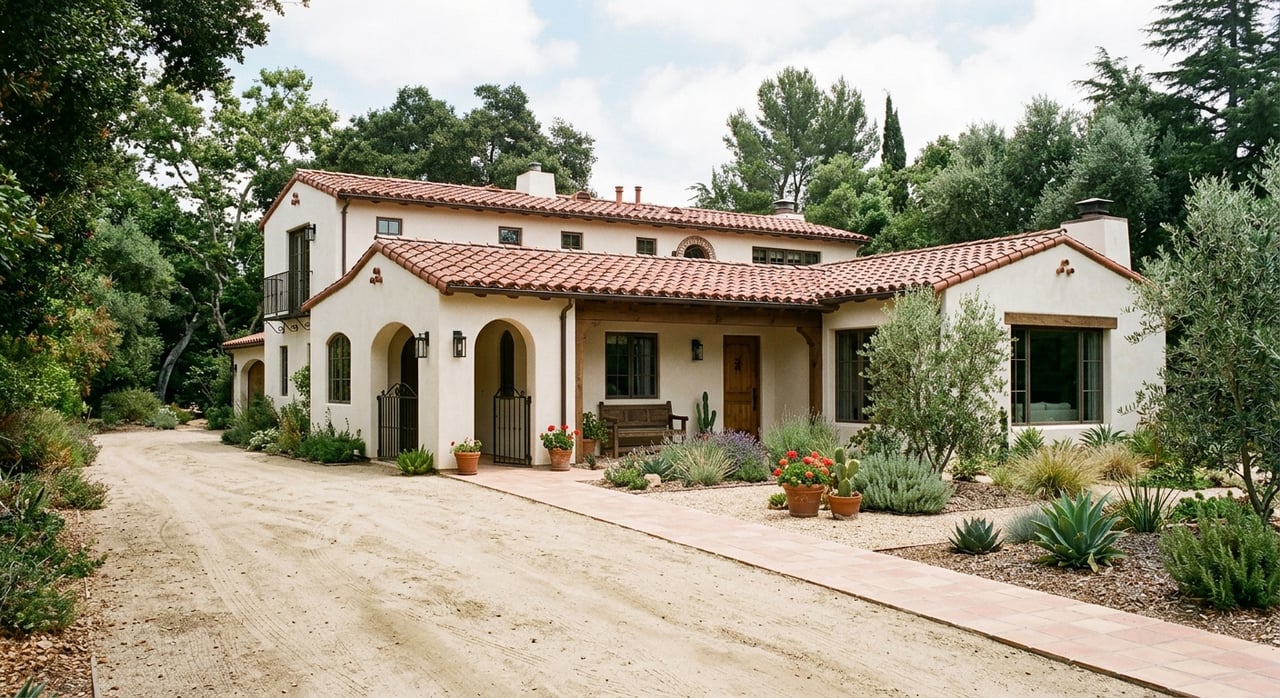
That policy shapes the look and feel of the community. Instead of tightly spaced homes and uniform tracts, you are more likely to see properties with room for animals, equipment, gardens, workshops, or open outdoor space. County policy also supports agriculture, equestrian uses, animal keeping, and some home-based occupations in the rural town area.
The roads can feel different too. The county allows a lighter street standard in some parts of Acton, so local roads may be narrower, and curbs, gutters, and sidewalks are not always required. If you are moving from a more built-out neighborhood, this can be one of the first signs that Acton operates on a more rural pattern.
What homes and land often look like
Acton real estate often appeals to buyers who want flexibility. Recent listing examples in the market have included properties on roughly 1.16 acres, 2.5 acres, 6.04 acres, and 9.49 acres, with features such as barns, stalls, horse trails, cross-fencing, RV access, gated entries, and mountain views.
Some homes also include bonus rooms, sunrooms, or flexible spaces that can work well as offices or hobby rooms. That kind of setup can be especially appealing if you want room to spread out or use your property in ways that are harder to find in more traditional suburban areas.
While inventory and pricing can change over time, Redfin currently describes Acton as a somewhat competitive market, with a median sale price of $900,000 and median days on market of 54 last month. Those numbers offer a useful snapshot, but they do not tell the full story of a market where lot size, access, improvements, and permitted uses can vary a lot from one property to the next.
Who Acton may suit best
Semi-rural living is not one-size-fits-all. Acton may be a strong fit if you are looking for:
- More land and privacy
- Space for horses or other animals where permitted
- Room for RV parking, workshops, or hobby uses
- A property-oriented lifestyle with outdoor focus
- Access to the Antelope Valley while staying connected to Los Angeles County
It can also appeal to buyers who want a home that supports both daily living and long-term flexibility. Larger lots can create options, but they also come with more responsibility, so it helps to go in with a clear picture of your priorities.
Commute and access in Acton
Acton offers a more open setting, but many residents still need reliable regional access. The Vincent Grade/Acton Metrolink station at 730 W. Sierra Hwy connects the area to the Antelope Valley Line, with service to L.A. Union Station on weekdays and weekends. The station also has 414 parking spaces, which can be helpful if rail commuting is part of your routine.
Road access matters too, especially if your schedule includes travel along the 14 corridor. County planning identifies Lancaster and Palmdale as major centers for services, jobs, and shopping in the valley, so many Acton households may find themselves planning errands and work trips around those cities as well as freeway access.
That does not mean Acton feels urban. It means you should think carefully about how your work, shopping, and activity patterns line up with the property you choose. In semi-rural areas, convenience often depends more on location within the community and your usual destinations.
Outdoor lifestyle and recreation
For many buyers, Acton’s biggest draw is the lifestyle outside the house. The area has a more outdoor- and property-oriented rhythm than a walkable suburban environment, and local planning reinforces that identity.
LA County Parks lists Acton Park and Acton Wash Wildlife Sanctuary among the area’s recreation resources. County parks also highlight hiking, horseback riding, biking, camping, and equestrian facilities as part of the broader recreation system.
Trail connectivity is another part of the local identity. Community standards call for multipurpose pedestrian and equestrian pathways and trail easements, which supports the horse-and-trail culture that many buyers associate with Acton.
Practical things to verify before you buy
This is where semi-rural living becomes very different from buying in a conventional subdivision. In Acton, details can vary a lot by parcel, and due diligence is especially important.
County planning notes that some parts of Acton remain largely undeveloped, are not fully served by existing infrastructure, and include significant ecological areas and very high hazard severity zones. That does not mean a property is not a good fit. It means you should verify the specifics before making assumptions.
Here are some of the most important items to check:
- Access: Confirm whether roads are paved or unpaved and how that affects daily use.
- Utilities: Verify water, power, and other service connections for the specific parcel.
- Permitted uses: Make sure your intended use aligns with local rules and property conditions.
- Fire safety: Review hazard considerations and understand what they may mean for insurance, maintenance, and planning.
- Site improvements: Look closely at fencing, outbuildings, grading, and any existing amenities.
The research report shows why this matters. One recent equestrian estate advertised public water service, while another land listing noted an unpaved road surface and horse-property-unimproved status. In other words, two Acton properties can offer very different ownership experiences even if they appear similar at first glance.
Questions to ask yourself about Acton
Before you decide whether Acton is the right move, it helps to think beyond square footage and price. Ask yourself:
- Do you want space that requires more hands-on upkeep?
- Would you enjoy a setting shaped more by land and trails than sidewalks and dense retail?
- How important is quick access to the 14 Freeway or Metrolink?
- Do you need features like barns, stalls, RV access, or flexible outbuildings?
- Are you prepared to verify utilities, access, and land-use details before you buy?
If your answers lean toward space, flexibility, and a more rural atmosphere, Acton may deserve a closer look.
Why local guidance matters in Acton
Buying in a semi-rural market often involves more moving parts than buying in a standard neighborhood. You are not just evaluating a house. You are evaluating the land, the improvements, the access, and how the property fits your lifestyle.
That is where local knowledge makes a real difference. A hands-on real estate professional who understands acreage, land considerations, and the Antelope Valley region can help you compare options more clearly and ask the right questions early.
If you are thinking about buying or selling in Acton or the surrounding Antelope Valley, Paula Stafford offers personalized guidance rooted in local experience and practical support. Whether you are searching for space, land, or a home that fits a semi-rural lifestyle, having the right advocate can help you move forward with confidence.
FAQs
What is semi-rural living in Acton like?
- Semi-rural living in Acton generally means larger lots, more privacy, outdoor-focused living, and a community character shaped by rural, equestrian, and agricultural uses.
Are lot sizes in Acton usually larger than suburban neighborhoods?
- Yes. County planning says rural areas in Acton generally keep minimum parcel sizes of not less than one acre except in unusual circumstances.
Is Acton a good place for horse property buyers?
- Acton is known for its equestrian character, and recent listings have included features such as barns, stalls, cross-fencing, horse amenities, and trail access.
Can you commute from Acton to Los Angeles?
- Yes. The Vincent Grade/Acton Metrolink station provides Antelope Valley Line service to L.A. Union Station on weekdays and weekends, and the area also connects to the 14 corridor.
What should buyers verify before purchasing property in Acton?
- Buyers should verify parcel-specific details such as road access, utilities, permitted uses, fire safety considerations, and whether the property has the improvements needed for their intended use.